


Chakra Testing Gallery
$$MultiPurposeText$$
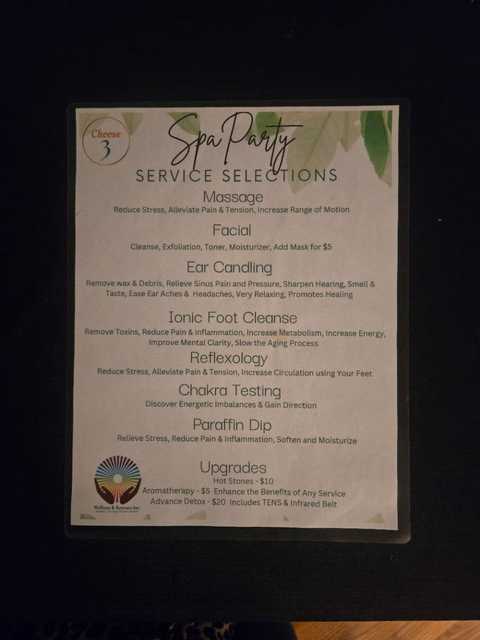
See examples of our Chakra Testing work and results.









What Our Clients Say
$$MultiPurposeText$$
Read testimonials from our satisfied customers

Shanell worked our nurses week event and was an absolute blessing! She was so kind and car...more

I had the most amazing massage. My therapist took her time i never felt rushed. It was jus...more

I took my daughter here for her birthday for a mommy n me spa day. IT WAS AMAZING!!! They ...more

Was treated great. Enjoyed the whole experience

Wellness & Retreats is and has always been the standard in healing and relaxation.

Great experience and solid pricing

Frequently Asked Questions
Get answers to common questions about Chakra Testing.
Chakra Testing uses noninvasive diagnostic tools and practitioner observation to assess each chakra's openness and alignment. Results highlight imbalances and provide a clear energetic profile, guiding targeted healing, lifestyle suggestions, and recommended energy sessions to restore balance.
Yes — Chakra Testing is noninvasive and suitable for most people, including newcomers. We recommend informing your practitioner of medical conditions, pregnancy, or severe mental health concerns; in such cases our team adapts protocols or advises consulting your healthcare provider first.
Sessions usually take thirty to sixty minutes, including intake, testing, and a review of results. Clients receive a clear report and practitioner guidance on next steps, recommended practices, or follow-up energy sessions to support lasting energetic balance.
Chakra Testing reveals energetic imbalances linked to physical symptoms, but it is not a medical diagnostic tool. If testing suggests issues, practitioners recommend medical evaluation alongside energy work to ensure comprehensive care and safety.
Wear comfortable clothing, stay hydrated, and avoid heavy meals, alcohol, or recreational substances beforehand. Arrive with any questions and be ready to share emotional or health history. A calm, open mindset helps produce clear, accurate results.
Yes. The assessment creates a targeted roadmap, highlighting chakras needing attention and suggesting modalities like balancing, reiki, or meditative practices. Practitioners tailor follow-up sessions and track progress, refining approaches as your energetic profile shifts.