


Lymphatic Drainage/Post-Op Massage Gallery
$$MultiPurposeText$$
See examples of our Lymphatic Drainage/Post-Op Massage work and results.


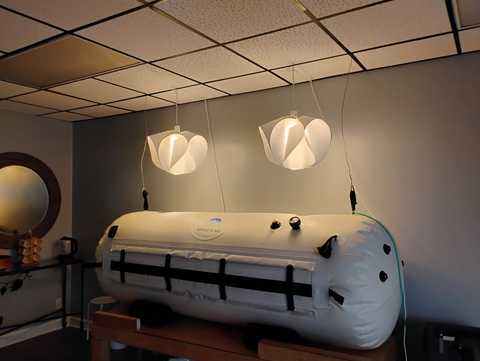

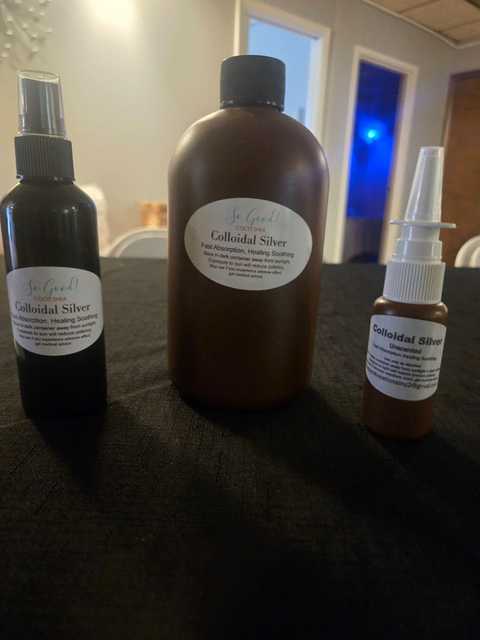











What Our Clients Say
$$MultiPurposeText$$
Read testimonials from our satisfied customers

Shanell worked our nurses week event and was an absolute blessing! She was so kind and car...more

I had the most amazing massage. My therapist took her time i never felt rushed. It was jus...more

Very nice place. It was very clean and the staff was friendly. Had a nice facial and massa...more

Wow, Jackie was very professional, I went in with all kinds of aches , had a foot detox, f...more

I had such a wonderful experience here! The staff were so friendly and I was super relaxed...more

Warm and inviting environment. Loved the slow pace of my perfect massage. Didn't feel rus...more

Frequently Asked Questions
Get answers to common questions about Lymphatic Drainage/Post-Op Massage.
Yes—when performed by trained therapists and approved by your surgeon, it's a safe, gentle modality to reduce swelling and pain. Timing and technique depend on surgery type and healing; always consult your healthcare provider and inform us of your medical details.
Timing varies based on treatment, immune status, and physician guidance. Many clients benefit between treatments or once blood counts are stable. We coordinate with your oncology team and tailor gentle techniques to ensure safety and comfort during recovery.
Sessions use light, rhythmic strokes focused on lymph pathways, with attention to incision sites and swelling. Therapists monitor comfort and adjust pressure. Expect relaxation, temporary increased urine output, and gradual reduction in swelling across multiple sessions.
Side effects are usually mild and temporary: light fatigue, increased urination, or mild soreness. Serious reactions are rare. Notify us about unusual symptoms, and we will modify or pause treatment. Always follow post-op instructions from your surgeon.
Frequency depends on surgery, swelling severity, and goals. Often an initial weekly series of sessions is recommended, then tapered as swelling improves. Your therapist will assess progress and create a personalized schedule in coordination with your medical team.
Referrals may be required for insurance coverage but aren't always necessary for treatment. We recommend discussing your medical history with your physician. Our therapists can work with providers to obtain approvals and documentation when required for post-op or oncology care.